Buying a Greenwich Home as a Second Home or Rental: Connecticut Income Tax, the 15 Percent Occupancy Tax, Short-Term Rental Rules and Condo Limits

If you rent out a Greenwich home, Connecticut treats the rent as Connecticut-source income even when you live elsewhere, and stays of 30 days or fewer carry a 15 percent room occupancy tax. Greenwich regulates short-term rentals through zoning, and a condominium can restrict leasing in its declaration. The IRS also limits deductions if you use a rented home yourself for more than 14 days or 10 percent of the rental days.
This is general information, not tax or legal advice. Peter is a real estate licensee, not a CPA or attorney.
Buyers who will not live in a Greenwich home full time, or who plan to rent it, run into rules a primary-residence buyer never meets. This guide covers the ones the primary sources let us describe, flags the ones we could not confirm, and gives a planner that works from your own numbers.
It does not estimate rental income, expenses or tax, because we have no primary source for Greenwich rents or your tax situation.
Connecticut income tax on the rent
The Department of Revenue Services says the Connecticut-sourced income of a nonresident includes income attributable to ownership or disposition of real property in Connecticut, including income from the rental or sale of the property. A nonresident with that income reports it on Form CT-1040NR/PY, and the Department’s webinar answers say the rental amount goes on Schedule CT-SI. Whether you must file depends on the filing tests on the Department’s nonresident page. If you rent the home, plan on a Connecticut return even if your home state is New York.
Short stays: the 15 percent room occupancy tax
For short-term home rentals, Connecticut applies its room occupancy tax. The Department’s pages say:
| Question | What the Department of Revenue Services says |
|---|---|
| Rate | 15 percent for hotels, motels, lodging houses and short-term home rentals (11 percent for bed and breakfast establishments) |
| What it applies to | Payment for occupancy of up to 30 consecutive calendar days, and the short-term rental of all or part of a home |
| Longer stays | Beginning on the 31st consecutive day of occupancy by the same person the tax no longer applies. Contracts of at least 90 consecutive days are not subject to it |
| Contracts under 90 days | Including month-to-month, they are short-term rentals subject to the tax for the first 30 days |
| Platforms | Since October 1, 2019, short-term rental facilitators must collect and remit the tax on stays they facilitate |
| Return | Form OP-210, filed and paid electronically through myconneCT |
Sources: Connecticut Department of Revenue Services, Room Occupancy Tax Information; Special Notice SN 2019(9), Room Occupancy Tax on Short-Term Rentals. We did not verify whether a Greenwich or other local lodging tax applies, or how sales tax applies to a rental.
Greenwich zoning and short-term rentals
A February 2024 report by the Connecticut Office of Legislative Research lists Greenwich among 12 towns that expressly regulate short-term rentals, and among nine that do it through zoning regulations. It says Greenwich defines short-term rentals in its zoning regulations, restricts them to lodging-type uses and does not impose a special permit requirement. It also says zoning regulations are generally enforced like other zoning rules. The report does not quote the regulation or its definition, so we cannot tell you how many nights count as short-term or where they are allowed.
Before you buy a Greenwich home with nightly rental in mind, ask the Town’s zoning office in writing how the regulation applies to that address, and keep the answer with your file.
If you are buying a condominium
Connecticut’s Common Interest Ownership Act lets a condominium declaration include restrictions on leasing and on the uses of a unit (Section 47-224). It also lets the association’s board adopt rules that restrict leasing to the extent they are reasonably designed to meet the underwriting requirements of institutional lenders (Section 47-261b(f)(3)). The result is that two condos on the same street can have different rental rules. Ask for the declaration, bylaws and current rules before you make an offer, and have your attorney read them. Our Greenwich condo guide lists the documents to request.
Federal tax: the vacation home test
The IRS says you are treated as using a rented dwelling as a residence if your personal use is more than 14 days, or more than 10 percent of the days it is rented to others, whichever is greater. If you use it as a residence and also rent it, you must divide expenses between rental use and personal use, and you may not deduct the rental portion of expenses in excess of rental income. If you use it as a residence and rent it for fewer than 15 days a year, you do not report the rental income. The IRS page we read is an archived tax tip, so confirm the current rules in Publication 527 and with a CPA.
Residency traps for New York buyers
The New York Department of Taxation and Finance has said that a person who is not domiciled in New York is taxed as a resident only if the person keeps a permanent place of abode in New York for substantially all of the year, which it interprets generally as more than 11 months, and spends more than 183 days in the state. A Greenwich purchase does not change those tests by itself, but where you sleep and where you keep your home do matter. Our NYC to Greenwich tax residency guide goes through the day-count and domicile questions, and we did not verify Connecticut’s own residency test for a New York domiciliary, so ask a CPA before you rely on a day count.
Other costs to price in
A second home still carries the costs in our buyer cost guide and the property tax guide. Ask your insurer about a home that is rented or left empty for part of the year, because the policy may differ from an owner-occupied one. See homeowners insurance when buying in Greenwich.
Personal-use day and occupancy tax planner
Enter your expected days and one stay. The planner applies the IRS personal-use test and the Connecticut occupancy tax rules described above. It does not estimate income or tax owed.
Vacation home day test and occupancy tax
The starting numbers are examples only. Replace them with your own plan.
Your second home and rental checklist
- Decide before you offer whether you will rent the home, and for how long per stay.
- Ask the Greenwich zoning office, in writing, how short-term rental rules apply to the address.
- For a condominium, get the declaration, bylaws and rules and have your attorney read the leasing language.
- Ask a CPA about Connecticut nonresident filing, the occupancy tax and the federal vacation home rules.
- Keep a day count for personal use and rental days from day one.
- Ask your insurer and your lender how a rented or part-time home is treated.
Peter can walk you through the property side of this before you offer, and you would bring your CPA and attorney for the rest. Our how to buy page covers the general steps.
Frequently asked questions
If I live in New York, does Connecticut tax the rent from my Greenwich home?
Yes, as a rule. The Connecticut Department of Revenue Services says Connecticut-sourced income of a nonresident includes income attributable to ownership or disposition of real property in Connecticut, including income from its rental or sale. A nonresident reports it on Form CT-1040NR/PY and Schedule CT-SI if the filing requirements are met. Your own state may tax the same income too, so ask a CPA how credits work.
Do I have to collect occupancy tax if I rent my Greenwich home by the night?
The Department of Revenue Services says the room occupancy tax is 15 percent for hotels, motels, lodging houses and short-term home rentals, and it applies to the first 30 consecutive days of occupancy. Special Notice 2019(9) says short-term rental facilitators have had to collect and remit the tax since October 1, 2019, and that rentals under 90 days, including month-to-month contracts, count as short-term for the first 30 days. Rental contracts of at least 90 consecutive days are not subject to it.
Can I list a Greenwich house on a short-term rental platform?
Greenwich regulates short-term rentals through its zoning regulations. A 2024 Connecticut Office of Legislative Research report says Greenwich defines them in its zoning regulations, restricts them to lodging-type uses and does not require a special permit. We did not read the regulation itself, so ask the Greenwich zoning office before you buy for that purpose, and read any association rules.
Can a condo association stop me from renting my unit?
It may be able to. Connecticut General Statutes Section 47-224 says a condominium declaration may include restrictions on leasing and on the uses of a unit, and Section 47-261b(f)(3) lets an association adopt rules that restrict leasing to the extent they are reasonably designed to meet underwriting requirements of institutional lenders. Ask for the declaration and the rules before you sign, and have your attorney read them.
How many days can I use a vacation home I also rent?
The IRS says you are treated as using a rented dwelling as a residence if your personal use is more than 14 days or more than 10 percent of the days it is rented to others, whichever is greater. In that case you divide expenses between rental and personal use, and rental deductions cannot exceed rental income. Rent it for fewer than 15 days and use it as a residence and you do not report the rental income. The IRS page we read is archival, so confirm with Publication 527 and a CPA.
Does owning a Greenwich second home change my New York residency?
Owning it does not by itself decide the question. The New York sources we read turn on domicile, and on whether a person who is not domiciled in New York keeps a New York permanent place of abode for substantially all of the year, which the Department treats generally as more than 11 months, and spends more than 183 days there. We did not verify Connecticut’s residency test for a New York domiciliary, so see moving from NYC to Greenwich and ask a CPA.
- Connecticut Department of Revenue Services, Non Filer Frequently Asked Questions: Connecticut-source income of a nonresident, including rental or sale of Connecticut real property.
- Connecticut Department of Revenue Services, Nonresident and Part-Year Resident Income Tax Information: who must file Form CT-1040NR/PY.
- Connecticut Department of Revenue Services, Income tax webinar questions and answers: reporting Connecticut rental income on Schedule CT-SI.
- Connecticut Department of Revenue Services, Room Occupancy Tax Information: 15 percent rate, 30 consecutive day limit, Form OP-210.
- Connecticut Department of Revenue Services, Special Notice SN 2019(9), Room Occupancy Tax on Short-Term Rentals: under 90 day contracts, 90 day contracts, short-term rental facilitators from October 1, 2019.
- Connecticut General Assembly, Office of Legislative Research report 2024-R-0044, Short-Term Rental Regulation: Greenwich regulates short-term rentals through zoning and restricts them to lodging-type uses.
- Internal Revenue Service, Renting Your Vacation Home (Summertime Tax Tip 2012-08, archived): personal-use test, dividing expenses, fewer than 15 days rule.
- New York State Department of Taxation and Finance, Advisory Opinion TSB-A-04(4)I: statutory residency, permanent place of abode for substantially all of the year, 183 days.
- Connecticut General Statutes Section 47-224 (Common Interest Ownership Act, contents of declaration), 2023 edition: restrictions on leasing and on the uses of a unit.
- Connecticut General Statutes Section 47-261b (Common Interest Ownership Act, rules), 2025 edition: leasing rules reasonably designed to meet lender underwriting requirements.
- The planner and the lists above are Greenwich Home Intel’s planning tools. We did not verify: the current text of IRS Publication 527 (we read an archived IRS tip), passive activity rules, depreciation and the tax on a later sale of a rental, the Connecticut filing thresholds for a given year, Connecticut’s statutory residency test, the text and definition of Greenwich’s short-term rental regulation, any local lodging tax, how sales tax applies to a rental, lender rules for second homes and investment properties, the leasing rules of any particular condominium, and any change since the dates of the pages we read. Confirm everything with a CPA and a Connecticut attorney.
Plan the property side before you make an offer.
A short, confidential conversation about how you will use the home and the questions to put to the town, the association and your tax advisor.
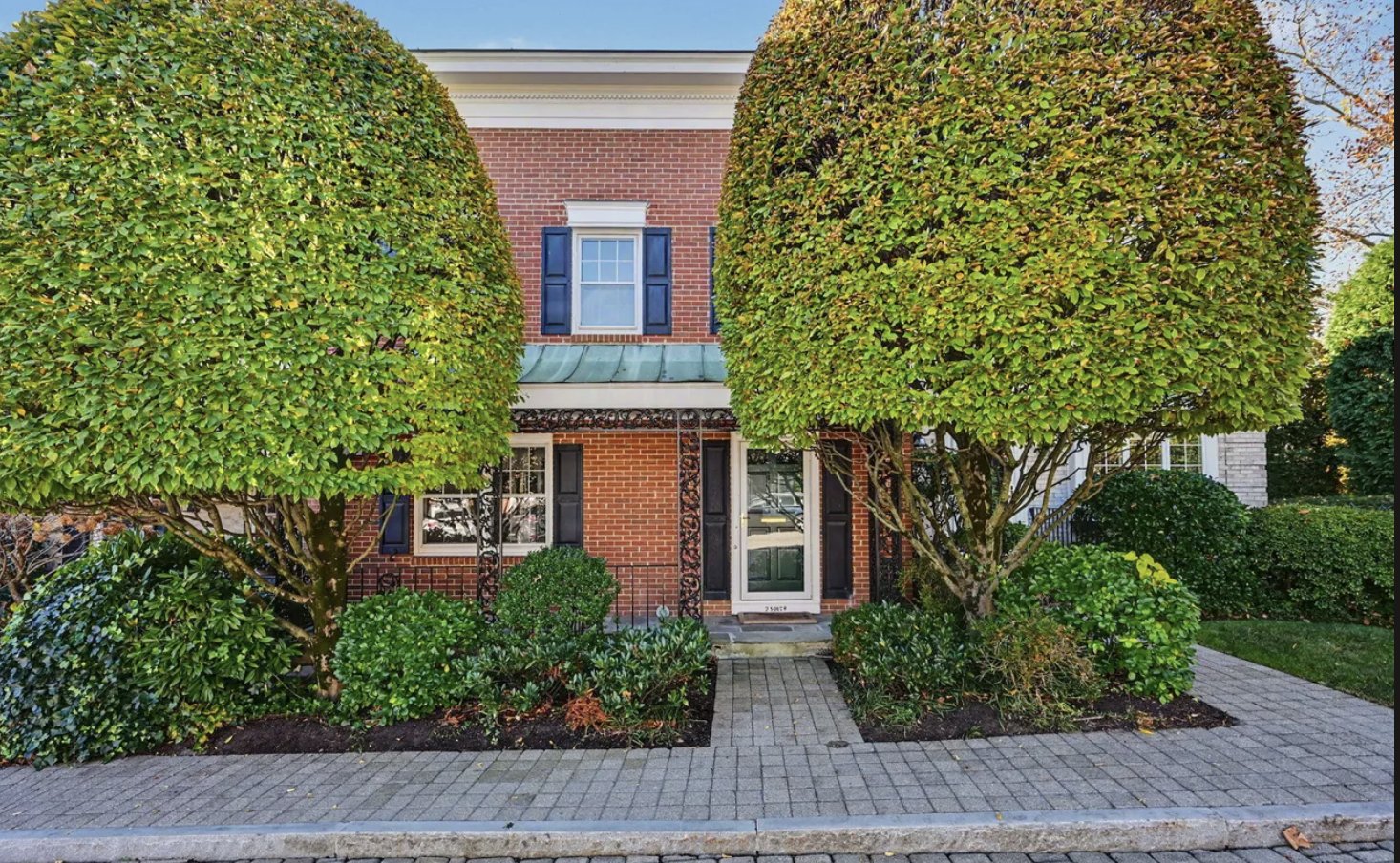
General information, not tax or legal advice. Peter Tumbas is a real estate licensee, not a CPA or an attorney. Tax rules, zoning regulations and agency guidance were checked against the cited sources in November 2026 and can change; confirm them with a tax professional and a Connecticut attorney before you rely on them. Fair housing law prohibits steering, and this guide does not rank or characterize neighborhoods. The photo shows a listing and is not an offer of that property.