Greenwich Offer to Closing: The Connecticut Timeline, Deposit, Inspections, Financing Deadlines and Closing Day

Your purchase contract sets the dates, and no source we found gives a standard Greenwich closing timeline. What the sources do fix are the clocks inside it: a deposit that goes into a broker’s trust account within three banking days of signing, a rate lock of typically 30, 45 or 60 days, an appraisal copy and a Closing Disclosure each due three business days before closing.
Work backward from your closing date, and have your attorney confirm every deadline.
The stretch between an accepted offer and the keys is a series of small deadlines that run at the same time. The inspection window, the lender’s paperwork and the title work each have their own clock, and a missed one can cost a rate lock, a deposit or a closing date.
This guide puts the steps in order and says what the Connecticut statutes, the Department of Consumer Protection and the CFPB actually say about each. It does not give a typical number of days for any stage, because we found no sourced one. For costs, see what it costs to buy a Greenwich home.
The sequence, step by step
The table lists each stage in the order a buyer meets it. The right-hand column is the source’s language, not a deadline for your deal.
| Stage | What happens | What the source says |
|---|---|---|
| 1. Accepted offer | You and the seller agree on terms, and your agent works under a written buyer agency agreement. | The Department of Consumer Protection says a written buyer agency agreement must be entered into before the licensee can physically show you a property, and that all terms are negotiable. |
| 2. Condition report | The seller’s Residential Property Condition Report reaches you. | The DCP form asks about flood hazard, tanks, water and sewer or septic, lead paint, the foundation, the roof, drainage and radon. You receive it before you sign a binder or contract, or the seller owes a $500 credit at closing. |
| 3. Contract and deposit | The contract is signed and the deposit is paid. | Section 20-324k: a broker holding deposits must place them in a Connecticut escrow or trust account within three banking days after all necessary parties sign. The money stays there until its final legal disposition. |
| 4. Inspections | Home inspection and the specialist tests the house needs. | The DCP recommends a licensed home inspector and a detailed report, and says you may be able to negotiate repairs or a price reduction. See our inspection guide. |
| 5. Financing | Loan Estimate, rate lock, appraisal and underwriting. | The CFPB says locks are typically available for 30, 45 or 60 days and sometimes longer, and that you should make sure the lock covers the time to closing. The lender must give you a copy of the appraisal promptly on completion or three business days before closing, whichever comes first, unless you waive the timing. |
| 6. Insurance and title | Homeowners policy bound; title search and title insurance. | Lenders generally require proof of homeowner’s insurance (CFPB). Most lenders require a lender’s title policy, and you may want an owner’s policy (CFPB). See our insurance guide. |
| 7. Closing Disclosure | Final loan terms and costs arrive. | By law you must receive it three business days before closing (CFPB). Compare it with your Loan Estimate. |
| 8. Final walk-through | You check the house just before closing. | Confirm agreed repairs were made and anything the seller agreed to leave is in place (CFPB). The DCP also recommends a walk-through just before closing. |
| 9. Closing | You review and sign the documents, funds move and the deed is recorded. | The CFPB says not to sign blank documents or documents that differ from what you agreed to, and to watch for scammers sending last-minute wiring changes. The seller’s side files the conveyance tax return at recording. |
Sources: Connecticut Department of Consumer Protection (Homework for Homebuyers and the Residential Property Condition Report); Conn. Gen. Stat. Section 20-324k; Consumer Financial Protection Bureau (rate locks, Regulation B appraisal rule, review documents before closing, close the deal); Connecticut Department of Revenue Services (conveyance tax return). We did not verify the order in which any particular lender or attorney schedules these steps.
The deposit: who holds it and when
Section 20-324k of the General Statutes governs money a Connecticut broker holds for others. A broker must keep it in a separate escrow or trust account at a Connecticut bank, and must deposit money such as down payments and earnest money within three banking days after all necessary parties sign the transaction agreement. If a dispute arises over a deposit, the statute lets a court order the broker to deposit the funds with the court, and the court must then dismiss any claim against the broker that rests only on the broker’s role as stakeholder. A willful violation can bring a fine of up to $1,000, up to six months in jail or both.
Two practical points follow. First, ask who is holding your deposit, because the statute covers brokers and your contract may name someone else. Second, read the contingency language before you sign. The CFPB says walking away from a signed purchase might cost you your deposit and your application or appraisal fees, and what happens to yours depends on the contract.
The financing clocks
- Rate lock. The CFPB says a lock keeps your rate from changing between the offer and closing as long as you close within the lock period, and that locks are typically available for 30, 45 or 60 days. It says extending a lock may be expensive and that the Loan Estimate does not show the cost, so ask your lender before you pick a length.
- Appraisal copy. Under the CFPB’s Regulation B rule, a lender must give you a copy of every appraisal for a first-lien home loan promptly on completion or three business days before closing, whichever comes first. You can waive the timing, in which case the copy can arrive at or before closing. The waiver generally must be given at least three business days before closing.
- Closing Disclosure. You must receive it three business days before closing. The CFPB advises contacting your lender or closing agent at least a week before closing to confirm who sends it and how.
Reading the Closing Disclosure
Find your most recent Loan Estimate and compare the two. The CFPB lists the loan amount, loan type, term, interest rate, monthly payment, prepayment penalty and whether you are paying points or receiving credits, and says to compare the APR on both forms. Some fees cannot increase unless you asked for a loan change or your financial information changed, others are limited to a 10 percent increase and a third group has no limit. If your loan changes significantly, you may get a new Closing Disclosure, and in limited cases you are entitled to three business days to review it. The pages we read do not say which changes start a new three-day wait, so ask your lender.
Ask for the promissory note, the mortgage and the deed in advance along with the Closing Disclosure. The CFPB suggests considering a real estate attorney, especially when buying with someone else and the deed must be structured a certain way.
If the home is a condo
A condo adds a document clock of its own: the resale certificate, which the seller’s association must deliver after a written request and fee, and which gives you a right to cancel. Our condo guide sets out the statute, the deadline and the lender’s project review that can sit inside your financing window.
The final walk-through and closing day
Do the walk-through just before closing. The CFPB says to confirm everything agreed to be repaired has been repaired and that anything the seller agreed to leave is in place, and to contact the seller right away if not. The CFPB notes that a seller may offer a credit toward closing costs instead of making a repair.
At the table, review the documents against what you were told and what your earlier documents said. The CFPB says never to sign blank documents or documents that say something different from the transaction you agreed to, and that if the answers do not add up, you can stop the closing. It also warns of scammers posing as your settlement agent with changed wiring instructions, so confirm any wire instruction by phone using a number you already trust. Connecticut’s conveyance tax is filed by the seller’s side and paid at recording, as our cost guide explains.
Deadline planner
Enter your own contract dates. The planner counts back from your closing date and compares your rate lock with it. It uses the sourced clocks only, and where the day-counting rule is not settled in the pages we read, it shows the earlier date.
Offer-to-closing deadline planner
The dates shown are examples, not a typical timeline. Replace them with the dates in your contract and your lender’s lock.
Your offer-to-closing checklist
- Confirm who holds your deposit and read the contingency language with your attorney.
- Read the seller’s condition report the day you receive it, and use it to plan your tests.
- Book the inspector and specialists the day you sign, so the reports land inside your inspection window.
- Ask your lender how long the rate lock is and what an extension costs.
- Get your homeowners quote early, and a flood quote if the house is near water.
- Ask for the appraisal copy and the Closing Disclosure on the dates in the planner.
- Compare the Closing Disclosure with your Loan Estimate and ask about every change.
- Do the walk-through just before closing and write down anything not as agreed.
- Confirm any wiring instructions by phone before you send funds.
Peter can line these steps up with your contract dates before you sign. Our how to buy and Greenwich real estate pages cover the rest.
Frequently asked questions
How long does it take to close on a house in Greenwich CT?
We found no sourced Connecticut or Greenwich standard, so the answer is the closing date in your contract. What the sources do give is the lender clock: the CFPB says rate locks are typically available for 30, 45 or 60 days and sometimes longer, and that you should make sure the lock covers the time until closing. Use the planner on this page to check your dates against your lock.
Who holds my deposit, and when does it have to be deposited?
If a Connecticut broker holds it, Section 20-324k says the broker must put money received for others, such as earnest money and deposits, into a separate Connecticut escrow or trust account within three banking days after all necessary parties sign the transaction agreement. It stays there until its final legal disposition under the instructions of the person entitled to it. If the contract names an attorney or title company as holder, ask them for their own deposit rules.
Can I lose my deposit if I walk away?
It is possible. The CFPB says you are not committed until you sign, but that walking away from a purchase you have signed for might cost you your deposit and your application or appraisal fees, and that breaking the contract could have other consequences. What happens to your deposit depends on your contract’s terms, so have your attorney read the contingency language before you sign.
When do I get the Closing Disclosure, and what should I check?
By law the lender must give you the Closing Disclosure three business days before closing. Compare it with your most recent Loan Estimate: loan amount, loan type, term, interest rate, monthly payment, prepayment penalty, points and credits, and the APR, since a higher APR is a quick sign costs have gone up. The CFPB says some fees cannot increase, some are limited to a 10 percent increase and some have no limit. See what it costs to buy a Greenwich home.
Do I need an attorney to buy a house in Greenwich CT?
Connecticut purchase closings are customarily handled with an attorney, and our how to buy page says buyers typically retain one early. We did not find a statute that requires it. The CFPB says to consider hiring a real estate attorney, especially if you are buying with someone else and need the deed structured a certain way.
What should I check at the final walk-through?
The CFPB says to confirm that everything you and the seller agreed would be repaired has been repaired and that anything the seller agreed to leave is in place. If something is not right, contact the seller right away. The Connecticut Department of Consumer Protection also recommends a final walk-through just before closing, because it is better to know about a problem before you close than after.
- Connecticut Department of Consumer Protection, Homework for Homebuyers: written buyer agency agreement, negotiable terms, licensed inspector, final walk-through.
- Connecticut Department of Consumer Protection, Buying or Selling Real Estate: licensing, Residential Property Condition Report effective July 1, 2025.
- Connecticut Department of Consumer Protection, Residential Property Condition Report (PDF, revised 07/2025): topics covered, delivery before the buyer signs, $500 credit.
- Conn. Gen. Stat. Section 20-324k, as published by FindLaw (current as of January 1, 2025): broker trust accounts, three banking days, disputed deposits, penalties (verify against the General Assembly’s current text).
- Consumer Financial Protection Bureau, Review documents before closing: Closing Disclosure three business days before closing, comparison to the Loan Estimate, fee tolerances, wiring scams.
- Consumer Financial Protection Bureau, Close the deal: final walk-through, signing cautions, walking away and the deposit, new Closing Disclosure in limited cases.
- Consumer Financial Protection Bureau, What’s a lock-in or a rate lock on a mortgage?: 30, 45 or 60 day locks, extension cost.
- Consumer Financial Protection Bureau, Regulation B Section 1002.14, Rules on providing appraisals and other valuations: appraisal copy timing and waiver.
- Consumer Financial Protection Bureau, What is homeowner’s insurance? Why is it required?: lenders generally require proof of coverage.
- Consumer Financial Protection Bureau, Shop for title insurance and other closing services: lender’s and owner’s title insurance.
- Connecticut Department of Revenue Services, Real Estate Conveyance Tax Information: the grantor or the grantor’s attorney or agent files Form OP-236 and the tax is due at recording.
- The stage table’s order, the checklist and the planner are Greenwich Home Intel’s planning tools. We did not verify: any typical or required number of days from contract to closing in Connecticut or Greenwich, whether Connecticut requires an attorney for a purchase, the contents of any standard Connecticut purchase contract, how mortgage commitment or clear-to-close letters work, which changes to a Closing Disclosure restart the three-day wait, whether Saturdays and federal holidays count as business days for the Closing Disclosure and appraisal rules, who holds deposits when the contract names an attorney or title company, title search timing, and the current text of Section 20-324k at the General Assembly. Confirm them with your attorney, your lender and the Department of Consumer Protection.
Build your closing timeline before you sign.
A short, confidential conversation, with your contract dates in front of us, before the clocks start.
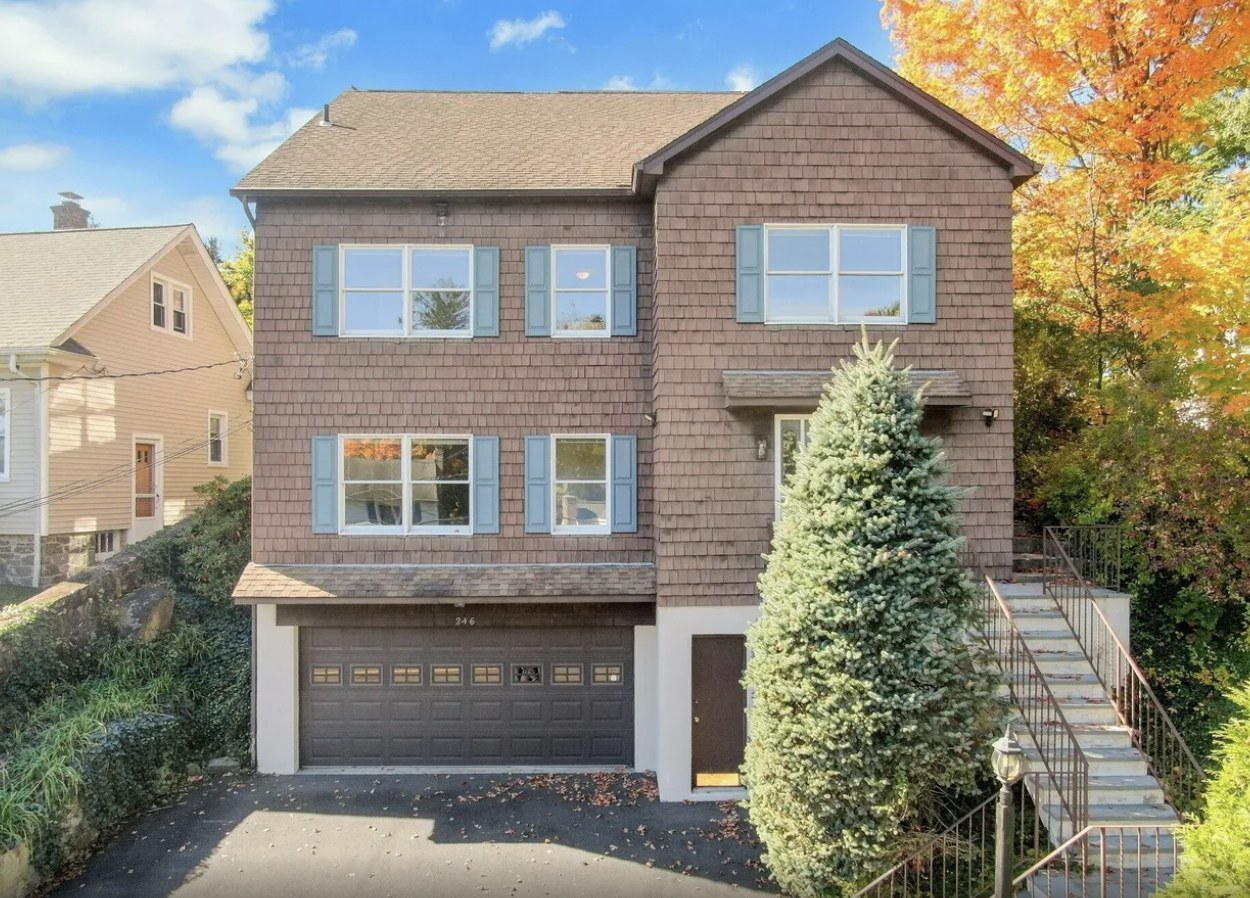
General information, not legal, tax or financial advice. Statutes, federal rules and state guidance were checked against the cited sources in October 2026 and can change; confirm them with your attorney, your lender and the Connecticut Department of Consumer Protection before you rely on them. This guide does not say what the dates in your contract should be. Fair housing law prohibits steering, and this guide does not rank or characterize neighborhoods. The photo shows a home listing and is not an offer of that property.