Using a Connecticut Real Estate Attorney When You Buy in Greenwich: What the Law Requires, What They Do and What to Ask Before You Sign

Since October 1, 2019, Connecticut General Statutes Section 51-88a has required a Connecticut-admitted attorney to conduct a real estate closing, whether the purchase is financed or paid in cash. Your agent can explain the process, but evaluating or interpreting contracts and advising you on your legal rights is the practice of law and belongs to your attorney.
This is general information, not legal advice. Peter is a real estate licensee, not an attorney.
Out-of-state and New York buyers often assume a Greenwich closing works like theirs at home. In Connecticut, an attorney runs it. This guide sticks to what the statute, the Practice Book and the CFPB say, and it does not quote attorney fees because we have no primary source for them.
What the law requires
Section 51-88a, added by Public Act 19-88, says a person may not conduct a real estate closing unless admitted as an attorney in Connecticut and not disqualified by resignation, disbarment, inactive status or suspension. The section defines a real estate closing as either of two things.
- A mortgage loan closing for a loan secured by Connecticut real property, other than a home equity line of credit or a loan that does not involve a lender’s or mortgagee’s title insurance policy
- A transaction in which a party pays consideration to change ownership of Connecticut real property
The Office of Legislative Research summary says that violating the section is unauthorized practice of law, which is generally a class D felony under existing law. A 2015 Office of Legislative Research report said Connecticut statutes did not then require an attorney in every sale. That report notes it was later updated, and the 2019 law is the reason it no longer describes current practice.
| Who | What the sources say they may do |
|---|---|
| Connecticut-admitted attorney | Conduct the real estate closing (Section 51-88a). Give legal advice and prepare, evaluate or interpret transaction documents (Practice Book Section 2-44A) |
| Licensed Connecticut real estate agent or broker | Perform statutorily authorized services as an agent or broker. Practice Book Section 2-44A lists this as an exception to the practice of law |
| Lender | Most lenders require a lender’s title insurance policy (CFPB). The statute’s mortgage closing definition turns on that policy |
| You | Choose your attorney, and can usually shop for your title insurance provider (CFPB) |
Sources: Connecticut General Statutes Section 51-88a; Office of Legislative Research summary of Public Act 19-88 (effective October 1, 2019); Connecticut Practice Book Section 2-44A (we read the text on a third-party copy current through August 2025); CFPB title insurance pages. Confirm the current text with an attorney.
What the attorney does that your agent cannot
Practice Book Section 2-44A lists giving advice about legal rights, drafting legal documents, and preparing, evaluating or interpreting documents in a property transaction as the practice of law. It defines documents to include contracts, deeds, easements, mortgages, notes, releases, satisfactions, leases and options. That is why an agent cannot tell you what a contract clause means for your rights, and why the attorney should read the contract, the condition report, a builder contract or a condo resale package before you are bound.
We did not verify exactly which title and recording steps a Greenwich buyer’s attorney performs, so ask yours to list them. Our offer-to-closing guide shows the timeline, and our buyer cost guide covers closing costs.
Title insurance in plain terms
The CFPB says title insurance protects against a claim on the home that predates your purchase, such as a prior owner’s unpaid taxes or unpaid contractor work. It says most lenders require a lender’s policy that protects the amount they lend, and that an owner’s policy protects your own investment and is one you may want to buy. It also says you can usually shop for your title insurance provider, and that the total cost is usually lower if one provider issues both policies. Ask your attorney how the policies will be ordered.
If you live in New York
If you already have a New York attorney, tell your Connecticut attorney and ask who will conduct the closing and what each of them will do. Section 51-88a requires the closing to be conducted by a Connecticut-admitted attorney. Our NYC tax residency guide covers the tax side, and the timing of an NYC sale is in how to time your NYC sale and Greenwich purchase.
Questions to ask before you hire
- Are you admitted in Connecticut and in good standing, and who will conduct my closing?
- Will you review the contract and any addenda before I sign, and how quickly can you turn it around?
- How do you handle the condition report, the inspection and the lender’s requirements?
- Which title insurance policies will you order, and from whom?
- What are your fees, what do they include, and what is billed separately?
- Who is my contact, and how do I reach that person during the contract period?
- If I am selling first or closing in another state, how do you coordinate?
Get the answers in writing and compare two attorneys if you can.
Attorney checklist builder
Choose your situation and the checklist below lists what to hand your attorney and which of our guides covers it. It does not decide your legal obligations.
What to bring your attorney
Built only from the statute, Practice Book and CFPB pages cited below. Not legal advice.
Your attorney checklist
- Choose a Connecticut-admitted attorney before you make an offer, or before you sign the contract at the latest.
- Send the attorney the contract, addenda and any condition report or builder documents.
- Ask which title insurance policies will be ordered and from whom.
- Ask for a written list of the attorney’s fees and what they cover.
- Tell the attorney about any other sale, other-state closing or financing deadline.
Peter can share the questions to ask and work alongside whichever Connecticut attorney you choose. Our how to buy page covers the rest.
Frequently asked questions
Do I need a lawyer to buy a house in Connecticut?
In practice, yes, for the closing. Connecticut General Statutes Section 51-88a, effective October 1, 2019, says a person may not conduct a real estate closing unless admitted as an attorney in Connecticut and not disqualified by resignation, disbarment, inactive status or suspension. The section covers a mortgage loan closing for a loan secured by Connecticut real property and any transaction in which a party pays consideration to change ownership of Connecticut real property.
Can my New York attorney handle my Greenwich closing?
Not alone. Section 51-88a requires the closing to be conducted by an attorney admitted in Connecticut. A New York attorney who is not admitted in Connecticut cannot conduct it, so ask early who will conduct the closing and what role any other attorney would have. Violating the section is treated as unauthorized practice of law, which the Office of Legislative Research summary says is generally a class D felony.
Can my real estate agent answer legal questions about the contract?
Practice Book Section 2-44A lists giving legal advice, and preparing, evaluating or interpreting documents in a property transaction, as the practice of law. It also lists an exception for performing statutorily authorized services as a licensed Connecticut real estate agent or broker. That is why an agent can explain the process and the standard steps, but questions about your legal rights under a contract belong with your attorney.
Is title insurance required?
The CFPB says most lenders require you to buy a lender’s title insurance policy, which protects the amount they lend. It describes an owner’s policy, which protects you if someone sues over a claim against the home that predates your purchase, as one you may want to buy, and it says you can usually shop for the provider. Ask your attorney how the policies are ordered and priced.
Does the attorney requirement apply to a cash purchase?
The statute covers any transaction in which a party pays consideration to change ownership of Connecticut real property, so it is not limited to financed purchases. It does exclude a home equity line of credit transaction and a loan that does not involve a lender’s or mortgagee’s title insurance policy.
When should I hire an attorney?
Before you sign a contract, because Practice Book Section 2-44A treats evaluating or interpreting transaction documents as the practice of law. The condition report, a builder contract and a condo resale package are all documents your attorney should read. See offer to closing in Greenwich.
- Connecticut General Statutes, Section 51-88a (practice of law by persons not admitted as attorneys; real estate closings): the attorney requirement and the definition of a real estate closing.
- Connecticut General Assembly, Office of Legislative Research summary of Public Act 19-88: effective October 1, 2019, and the penalty.
- Connecticut General Assembly, Office of Legislative Research report 2015-R-0186, Attorneys at Real Estate Closings: the pre-2019 position, shown for context only.
- Connecticut Judicial Branch, Practice Book Section 2-44A (Definition of the Practice of Law): advice, document drafting and evaluation, and the exception for licensed real estate agents and brokers.
- Consumer Financial Protection Bureau, What is owner’s title insurance?: lender’s policy and owner’s policy.
- The checklist builder and the lists above are Greenwich Home Intel’s planning tools. We did not verify: the full text of Section 51-88 and its penalty provisions, any amendment to Section 51-88a after Public Act 19-88, the 2021 update to the Office of Legislative Research report, the official Judicial Branch text of Practice Book Section 2-44A (we read a third-party copy), the specific title search and recording steps a Greenwich closing attorney performs, attorney fees, rules for remote or out-of-state signing, and how any particular lender works with the buyer’s attorney. Confirm everything with a Connecticut attorney.
Get the right people in place before you sign.
A short, confidential conversation about the steps to a Greenwich closing and the questions to put to your attorney.
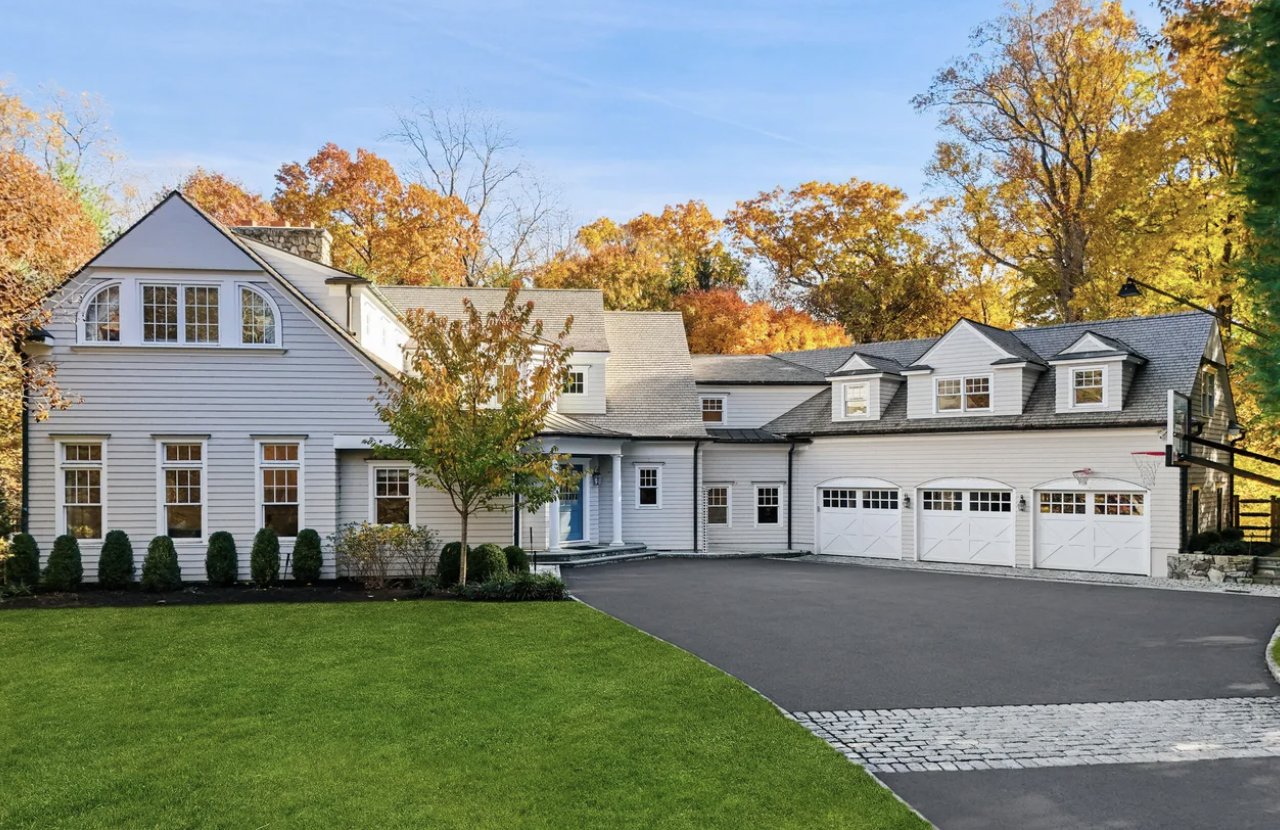
General information, not legal advice. Peter Tumbas is a real estate licensee, not an attorney, and does not recommend or refer you to any particular attorney in this guide. Statutes, court rules and agency guidance were checked against the cited sources in November 2026 and can change; confirm them with your Connecticut attorney before you rely on them. Fair housing law prohibits steering, and this guide does not rank or characterize neighborhoods. The photo shows a listing and is not an offer of that property.