Selling a Greenwich CT Home: When to List, How to Prepare and a 90-Day Pre-Listing Timeline

List when your records, repairs, disclosure and next-home plan are ready. Start 90 days out: pull the permit report, order a survey, fix what a buyer’s inspector would find and complete the condition report.
Connecticut sellers must give the buyer the Residential Property Condition Report before the buyer signs a contract, or credit the buyer $500 at closing.
A Greenwich listing goes wrong in the first two weeks, and the cause is usually paper, not price. An open permit, a missing certificate of occupancy, a survey that does not match the house or a disclosure form nobody has filled out stops a deal that the photographs started.
This guide gives you a 90-day sequence to avoid that, the Greenwich and Connecticut records to pull, the disclosure rules you have to meet and what changes if you are selling a condo. It does not tell you the best month to list, and it explains why below.
When to list is a readiness decision first
Pick the list date from your own constraints before you look at the calendar. Four things set it for most Greenwich sellers.
- Your next home. If you are buying, the sale and the purchase have to close in an order you can finance. See How to Time Your NYC Apartment Sale and Greenwich Home Purchase for bridge loans, rent-backs and gap risk.
- Your paperwork. A house with open permits or an unfinished disclosure is not ready, whatever the date.
- Carrying cost. Mortgage, taxes, insurance and upkeep run every month the house sits. Our property tax guide covers the mill rate and the 2025 revaluation.
- Your pricing evidence. Ask your agent for dated closed sales in your price band and area. Rates move what buyers can pay, as the mortgage rate article shows.
This guide does not rank months. We have not published sourced seasonal data for Greenwich, and a month that favored last year’s sellers says little about your house. Use closed-sale data for your segment, dated and sourced, before you choose.
A 90-day pre-listing timeline
Work backward from the day you want to go live. The sequence puts the slow items, Town records and association documents, first.
| When | Step | What to do |
|---|---|---|
| 90 days out | Choose the plan | Interview agents, get a written pricing opinion and the full fee terms, and set a target list date. Decide how the sale lines up with your next home. |
| 85 days out | Order the records | Email the Building Inspection Division for the permit report, copies of certificates of occupancy and the survey on file. Condo owners request resale documents from the association. |
| 75 days out | Find the gaps | Compare the permit report to the house. Look for unpermitted work, open permits and missing certificates of occupancy. Check the FEMA flood zone, and for an older house, the zoning floor area count. Pre-1978 homes: gather any lead paint records. |
| 60 days out | Inspect and get quotes | Consider a pre-listing home inspection and a radon test. Collect contractor quotes for anything the report will ask about: roof, heating, drainage, tanks, electrical. |
| 45 days out | Repair and close out | Finish the repairs that matter, close out open permits and keep the receipts. |
| 35 days out | Draft the disclosure | Complete the Residential Property Condition Report yourself, answer every question, and have your attorney review it. |
| 30 days out | Declutter and stage | Clear, clean and stage the rooms the photographs will show. |
| 14 days out | Photograph and finalize price | Shoot photos and a floor plan after staging. Set the list price from recent closed sales, not from the last listing on your street. |
| 7 days out | Build the buyer packet | Assemble the condition report, lead pamphlet and warning statement if the home predates 1978, survey, permit report, repair receipts and any condo resale documents. |
| Day 0 | List | Go live with the packet ready, so every buyer receives the disclosure before signing. |
Planning sequence by Greenwich Home Intel. Timing for Town records, association documents and contractors varies.
Pre-listing date planner
Pick the day you want to go live and see the date for each step. The dates start from the 90-day plan above, so adjust them to your own deadlines.
Pull the paper first
Start with what the Town has on file. The Building Inspection Division says to send requests for surveys, permit reports, building plans and copies of certificates of occupancy to bldgrecords@greenwichct.org. The Permit Record Room is open to the public Monday, Wednesday and Friday from 9 a.m. to 12 p.m., with appointments preferred, and title searchers and attorneys must schedule one. Questions about code go to 203-992-8910.
Then read the report against the house.
- Certificate of occupancy. The Town says occupying a building without one violates Section 111.1 of the Connecticut State Building Code, and it issues one only after the field inspections are approved. A finished basement, an addition or a converted garage should each show a permit and a certificate.
- Open permits. Connecticut Public Act 17-176, effective October 1, 2017, closes certain open permits for one- and two-family dwellings nine years after issuance when no certificate has been granted, and it bars enforcement based on that work. Ask the Building Inspection Division how a closed permit appears in the record for your house.
- Survey. Confirm the survey on file matches the house as it stands now. A buyer’s attorney will ask.
- Zoning and floor area. On an older house with additions, count the floor area the Town’s way before a buyer does. See Teardown, Renovate or Buy Land in Greenwich CT.
- Flood zone. Look the address up on FEMA’s map. The state form asks about flood hazard, flood insurance, claims and elevation certificates. See the flood-zone guide.
The disclosure Connecticut requires
Connecticut’s Uniform Property Condition Disclosure Act, Section 20-327b of the General Statutes, requires you to give the buyer a written Residential Property Condition Report before the buyer signs a binder or contract to purchase. A copy showing the buyer’s written receipt goes with any written offer, binder or contract. If you do not furnish the report, Section 20-327c requires you to credit the buyer $500 at closing.
The Department of Consumer Protection’s form (revised July 2025) sets the rules for how you complete it.
| Point | What the form says |
|---|---|
| Who completes it | You do. Your real estate licensee cannot complete it for you. Answer to the best of your knowledge and disclose known problems. |
| Timing | Before the buyer signs a binder, contract to purchase, option or lease with a purchase option. |
| Property covered | Residential property of one to four dwelling units, including cooperatives and condominiums. |
| Topics | Flood hazard and wetlands, easements and encroachments, heating, plumbing and electrical systems, underground storage tanks, water source and sewer or septic, asbestos, lead paint, foundation, roof, drainage, pests and rot, and radon. |
| Warranty | Not a warranty and not a substitute for inspections. Buyers are urged to hire a licensed home inspector and to confirm permits and certificates of occupancy with the building official. |
| Broker duty | The report does not relieve a broker of the duty to disclose material facts under Regulations Section 20-328-5a. |
Source: Connecticut Department of Consumer Protection, Residential Property Condition Report (revised 07/2025); Conn. Gen. Stat. Sections 20-327b and 20-327c. The statute lists exemptions, including some transfers by executors, administrators, trustees and conservators. Ask your attorney whether one applies.
Put the completed form in the listing packet from day one. A buyer who receives it before signing is the buyer you can hold to a contract.
If the home was built before 1978, a federal rule adds a second disclosure. HUD’s Lead Disclosure Rule says you must disclose any known lead paint information, hand over available records, give the buyer the EPA pamphlet Protect Your Family From Lead In Your Home and include a lead warning statement in the contract. Buyers get 10 days to inspect or assess lead unless both sides agree otherwise, and you keep the disclosures for at least three years.
Repairs, inspections and the form’s questions
The condition report asks about the roof, heating, drainage, tanks, radon and water damage. Treat those questions as your repair list. A buyer’s inspector will find the same items, and a problem you disclose and priced costs less than one that surfaces after the offer.
- Fix safety and system items first. Document each repair with a receipt and, where a permit applies, the permit.
- Test for radon and answer the radon questions from real results.
- If the house has an underground tank, current or former, collect the removal or closure records.
- On septic, gather the service and pumping history the form asks for. The Town lists its Environmental Health office at 203-622-7838 and the Sewer Division at 203-622-7760.
Staging, photography and price
Stage the rooms the photographs will show, then shoot. The first view most buyers get is the listing gallery, so clean counters, clear surfaces and good light matter more than new finishes. Finish price last. Set it from recent closed sales for comparable homes, adjusted for the condition you now have, and read How to Price a Greenwich Home for what a sound opinion includes. Then check what you net with the selling cost guide and estimator.
If you are selling a condo
Everything above applies, and the condition report covers condominiums. You also compile the resale documents for the buyer. The Connecticut Department of Consumer Protection says the seller is responsible for compiling and disclosing them, and that each association must provide them to the seller within ten business days of a request. The package includes monthly common charges, unpaid charges owed to the association, resale price restrictions, leasing rules, the capital reserve amount, upcoming capital spending over $1,000, the number of owners at least 60 days delinquent and the number of foreclosure actions. Request them at the 85-day step so a slow association does not delay the listing. Buyers read the same package from the other side in Buying a Greenwich CT Condo.
Your pre-listing checklist
- Set a target list date from your next-home plan, not from the calendar.
- Request the permit report, certificates of occupancy and survey from the Building Inspection Division.
- Resolve unpermitted work, open permits and missing certificates before you list.
- Check the flood zone and, on an older house, the zoning floor area count.
- Complete the Residential Property Condition Report yourself and have your attorney review it.
- If the home predates 1978, prepare the lead disclosure, pamphlet and warning statement.
- Finish repairs, keep receipts and close out permits.
- Condo sellers: request resale documents from the association.
- Stage, photograph, then set the price from dated closed sales.
- Put the full packet in the listing so every buyer gets it before signing.
Peter can build this timeline around your date and walk the records with you. Our how to sell, condos and townhomes and Greenwich real estate pages cover the market.
Frequently asked questions
When is the best time to sell a house in Greenwich CT?
This guide does not name a best month, because we have not published sourced seasonal data for Greenwich. List when your records, repairs, disclosure and next-home plan are ready, and ask your agent for dated closed-sale data for your price band and area before you pick a date. A rushed listing with open permits costs more than a delayed one. See How to Price a Greenwich Home.
What must I disclose when selling a house in Connecticut?
Under Connecticut General Statutes Section 20-327b, you give the buyer a Residential Property Condition Report before the buyer signs a binder or contract. If you do not, Section 20-327c requires a $500 credit to the buyer at closing. You complete the form yourself, to the best of your knowledge. It covers flood hazard, tanks, water and sewer, lead and asbestos, the roof and foundation, and radon. It is not a warranty.
How far ahead should I start preparing a Greenwich CT home for sale?
Start about 90 days before the date you want to list. The Town’s permit records, a survey, repairs, the condition report and staging each take time, and condo associations have ten business days to supply resale documents. A shorter runway works if the house is clean on paper, but you lose room to fix problems before buyers see them.
Do I need a certificate of occupancy to sell my Greenwich CT home?
The Town of Greenwich says occupying a building without a certificate of occupancy violates Section 111.1 of the Connecticut State Building Code, and the state form urges buyers to confirm permits and certificates of occupancy with the building official. Request your permit report and certificates from the Building Inspection Division at bldgrecords@greenwichct.org before you list. See Teardown, Renovate or Buy Land in Greenwich CT if you plan changes.
Do I need a lead paint disclosure for an older Greenwich CT home?
Yes, if the home was built before 1978. Federal rules require you to disclose known lead paint information, hand over available reports, give the buyer the EPA pamphlet and include a lead warning statement in the contract. The buyer gets 10 days to inspect unless both sides agree otherwise, and you keep the records for three years.
What documents does a Greenwich CT condo seller need?
The condition report applies to condominiums and co-ops as well. You also compile the resale documents for the buyer. Connecticut’s Department of Consumer Protection says the association must give them to the seller within ten business days of a request. They include monthly common charges, unpaid charges, the reserve amount and planned capital spending over $1,000. See Greenwich condos and townhomes and What It Costs to Sell a Greenwich Home.
- Connecticut Department of Consumer Protection, Residential Property Condition Report (PDF, revised 07/2025): seller completes the form, delivery before the buyer signs, the $500 credit under Section 20-327c, topics covered, not a warranty.
- Conn. Gen. Stat. Section 20-327b, as published by FindLaw (verify against the General Assembly’s current text): delivery, receipt attached to the offer, scope of one to four dwelling units and exemptions.
- U.S. Department of Housing and Urban Development, The Lead Disclosure Rule: pre-1978 disclosure, EPA pamphlet, warning statement, 10-day window, three-year record keeping.
- Town of Greenwich, Building Inspection: permit reports, survey and certificate of occupancy requests, Permit Record Room hours and contacts. Town of Greenwich, Certificate of Occupancy: Section 111.1 of the State Building Code and issuance.
- Connecticut General Assembly, Public Act 17-176 summary: nine-year closure of certain open building permits for one- and two-family dwellings.
- Connecticut Department of Consumer Protection, Key documents for condo owners: resale documents, ten business day association deadline and contents.
- The 90-day sequence, the date planner and the checklist are Greenwich Home Intel’s planning tools, not requirements of any statute. We did not verify seasonal pricing or days-on-market patterns for Greenwich, the exemptions in Section 20-327b against the General Assembly’s current text, whether Greenwich requires any septic or health inspection on sale, how a closed permit appears in a Greenwich permit report, or the timing of Town record requests.
Plan your listing date before you pick one.
A short, confidential conversation, with your records and your next-home plan in front of us, before you sign a listing agreement.
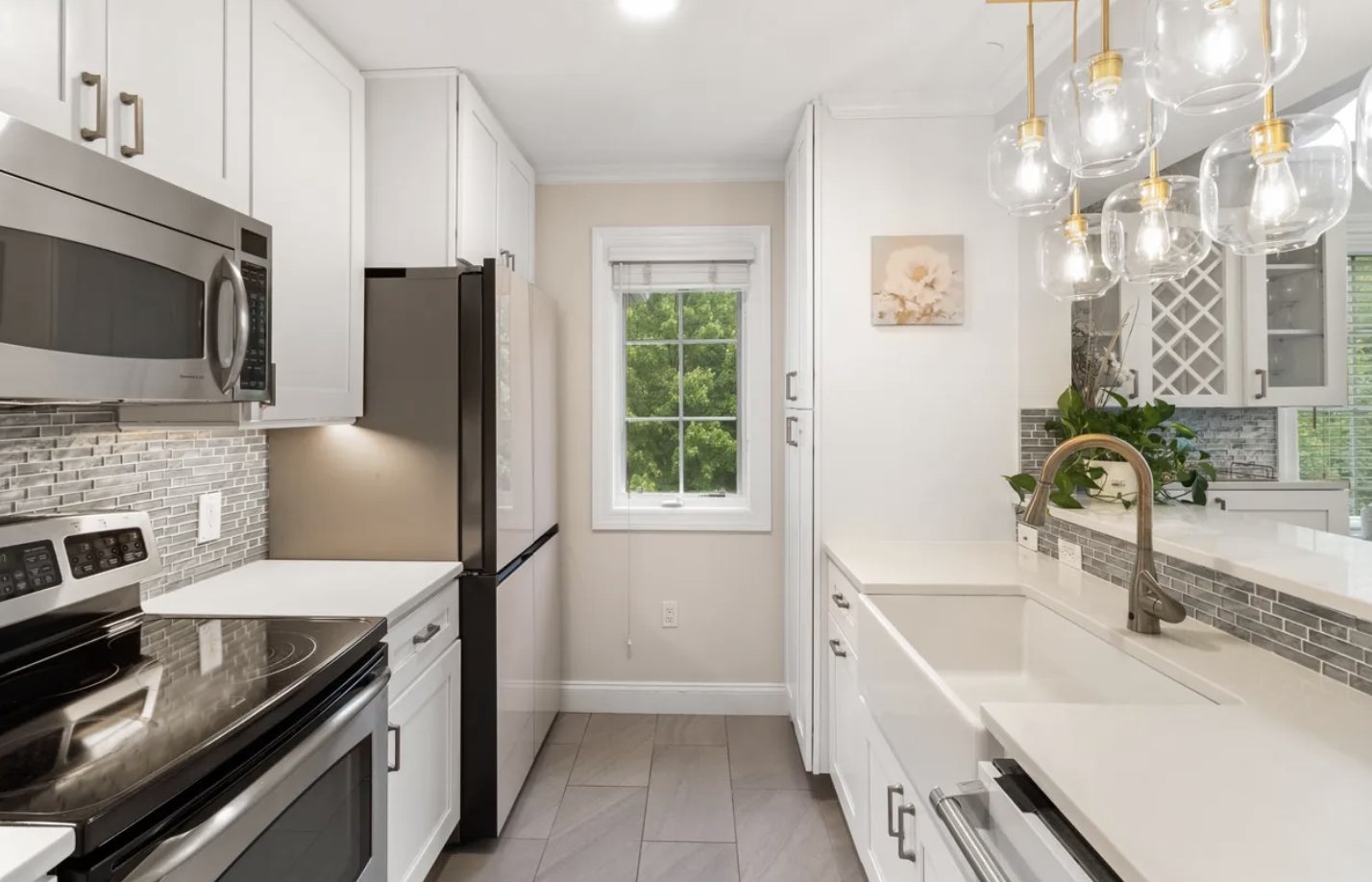
General information, not legal, tax or financial advice. Statutes, forms and Town procedures were checked against the cited sources in October 2026 and can change; confirm them with your attorney, the Connecticut Department of Consumer Protection and the Greenwich Building Inspection Division before you rely on them. This guide does not say whether any specific property meets any requirement. Fair housing law prohibits steering, and this guide does not rank or characterize neighborhoods. The photo shows a listing presented by another agent and is not an offer of that property.